Vintage Conditions

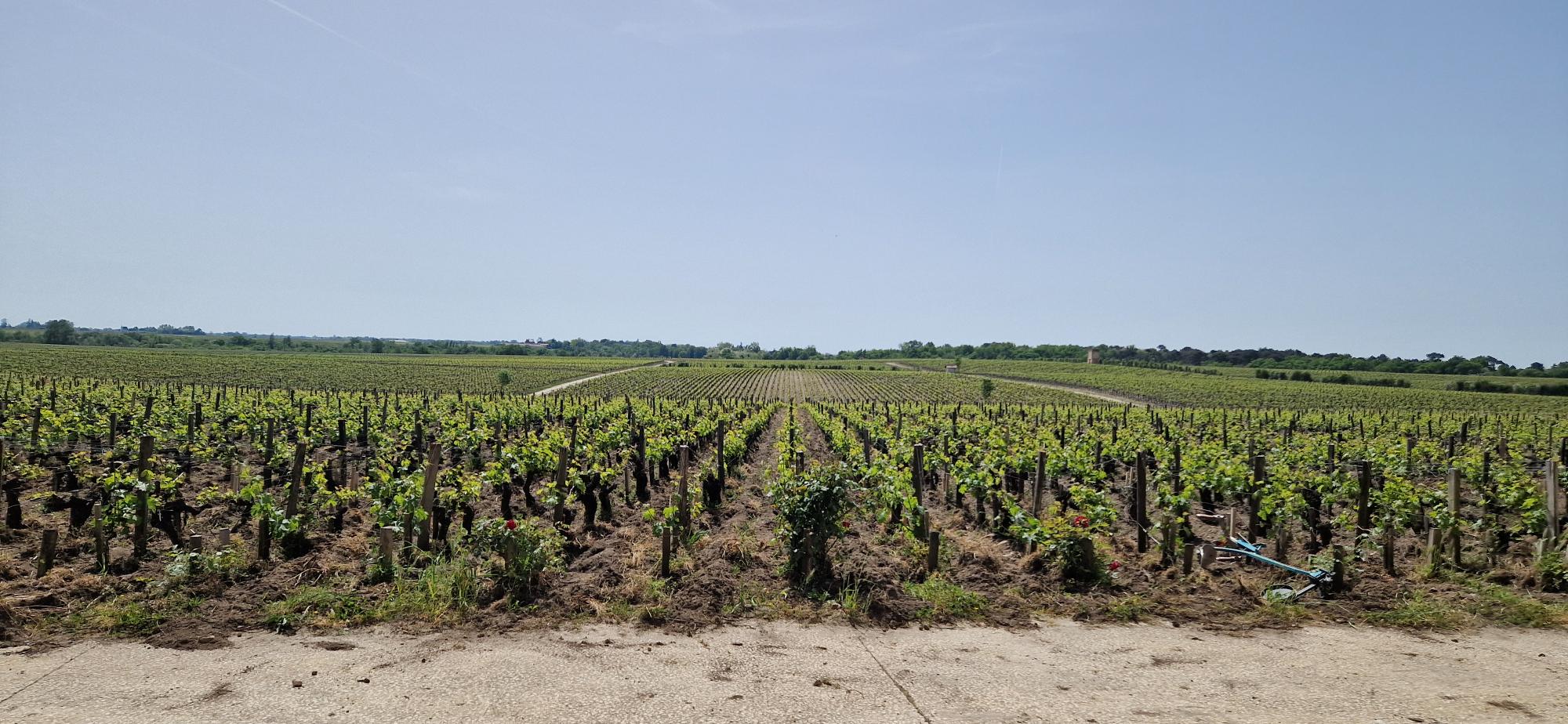
The growing season began with admirable punctuality. A mild winter led to early budbreak in April, broadly in line with vintages such as 2016 and 2019. After a brief cool interlude, warm and settled weather returned in May, ensuring even flowering across the vineyards.
From there, the narrative was dominated by heat and drought. Rainfall was scarce from May through July, and August brought sustained high temperatures, frequently exceeding 35°C and occasionally approaching 40°C. As Alexandre Thienpont of Vieux Château Certan put it, “from June until the end of August there wasn’t a drop of rain,” a remark delivered without undue exaggeration.
A Solar Vintage Defined by Balance
Vines, particularly on the Left Bank, came under considerable hydric stress and in some cases shut down entirely as was the case at Carmes Haut-Brion, limiting photosynthesis. Curiously, this proved rather beneficial. Sugar accumulation slowed, helping to keep alcohol levels in check. As Pierre-Olivier Clouet of Cheval Blanc noted, “the hydric stress in 2025 reduced the volumes but shaped the raw material. The balance is precise, the concentration remarkable.”
By mid-summer, comparisons with 2003 began to circulate. A key difference in 2025 was the August diurnal range. In 2003, the nighttime temperature stayed in the high 20s. In August 2025 the days hit well into the 30s yet the nights saw temperatures in the teens, maintaining acidity and slowing sugar accumulation.
The decisive moment came at the end of August. Rain arrived, much to everyone’s relief, accompanied by cooler nights. Thienpont was unequivocal: “without the rain we would have had another 2003. We used to be drowned by rain, now we are saved by it.”
The impact was immediate. Potential alcohol levels dropped, at Cheval Blanc from around 14.5% to 12.7%, tannins softened, ripening evened out, and acidity was preserved. In Saint-Estèphe, where cool nights were particularly pronounced with their higher exposure to the Gironde and closer proximity to the Atlantic, the effect was striking. Baptiste Belly of Château Cos d’Estournel noted there were “only two nights above 20°C in August” resulting in wines that are both “concentrated and floral,” with a “unique balance.”
The result is a solar vintage that avoids the usual excess. It lacks the sheer power of 2022 and the exuberance of 2018, instead offering something altogether more measured, more composed.
One of the surprises of the year is the performance of Merlot. In such warm conditions, Cabernet Sauvignon was widely expected to dominate. Instead, Merlot has excelled and many claimed it has adapted to the new climate, producing wines that are aromatic, dense, and remarkably poised. As Justine Courtier-Facque of Château Palmer succinctly put it, “it was a Merlot year.”
Discover more
Key Decisions
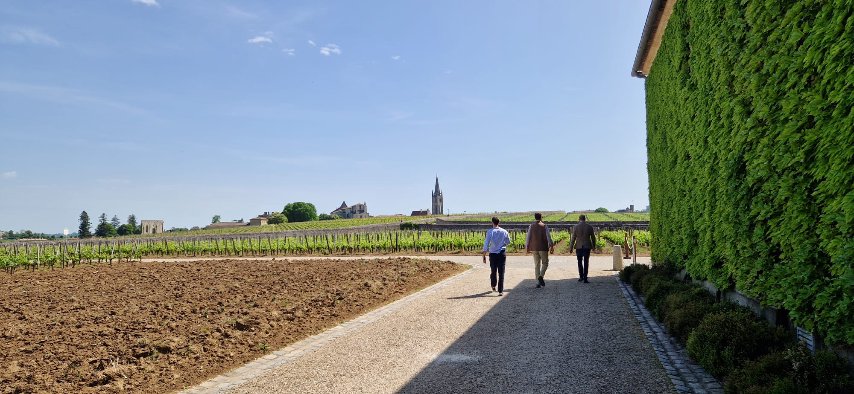
Careful vineyard management, early harvesting and restrained extraction proved essential in preserving freshness, finesse and balance throughout the vintage.

Buying En Primeur
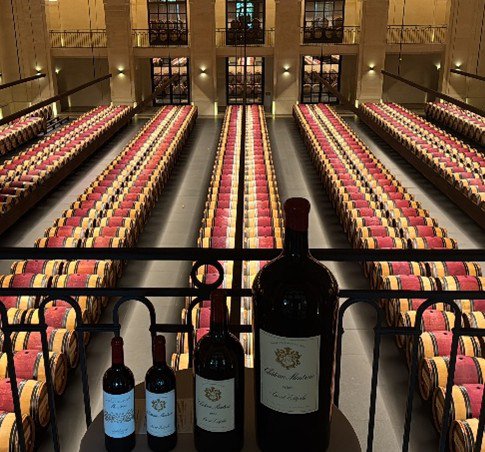
The 2025 En Primeur campaign offers collectors exceptional flexibility, from large-format bottlings to personalised barrels and bespoke gifting opportunities.
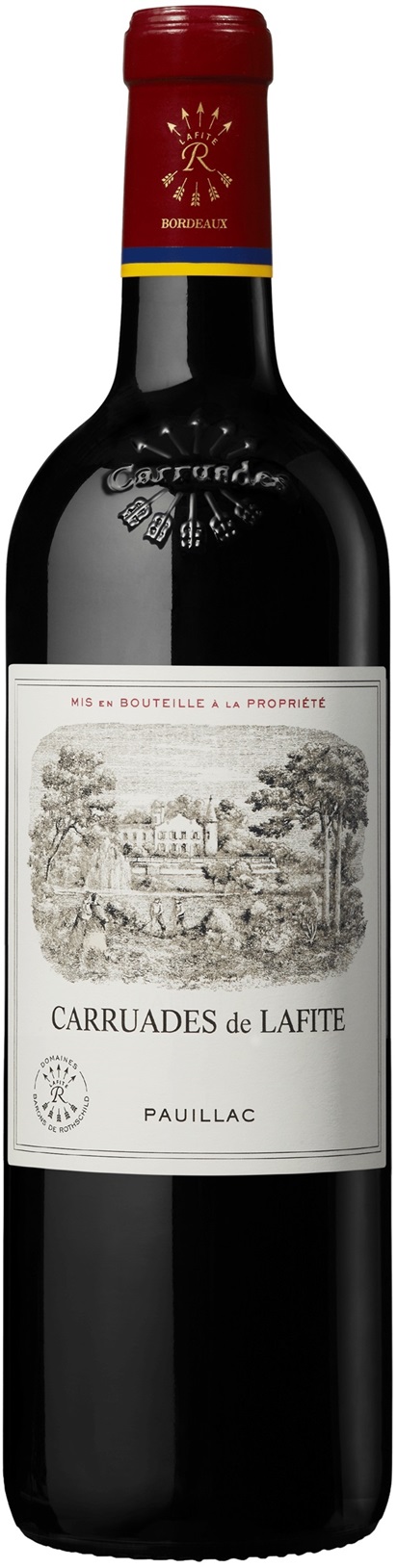
Carruades de Lafite, Pauillac 2025
£852.006x75cl
Chateau Batailley 5eme Cru Classe, Pauillac 2025
£145.006x75cl
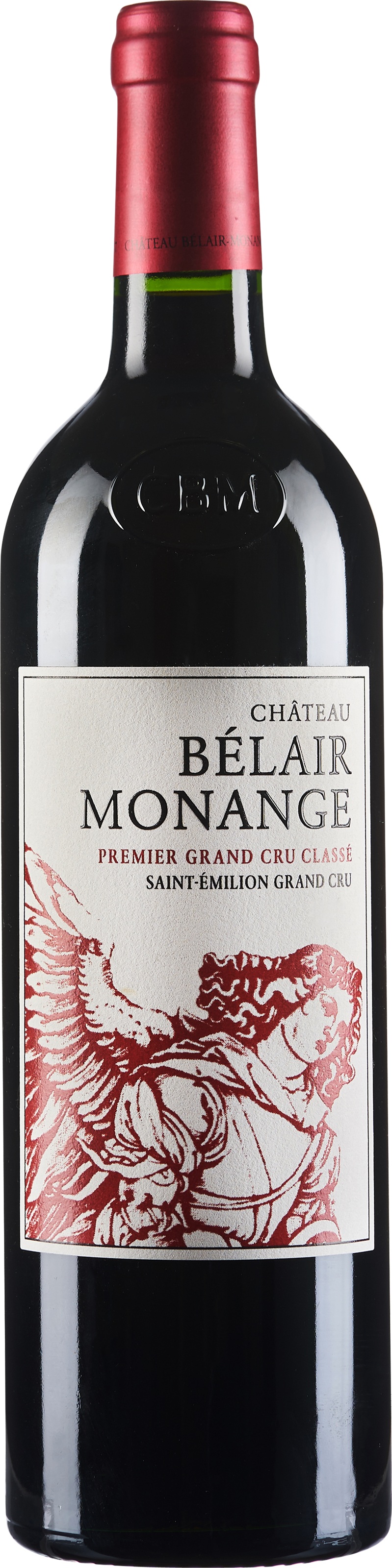
Chateau Belair-Monange Premier Grand Cru Classe B, Saint-Emilion Grand Cru 2025
£530.006x75cl
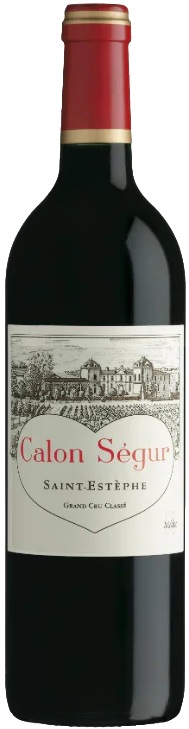
Chateau Calon Segur 3eme Cru Classe, Saint-Estephe 2025
£399.006x75cl
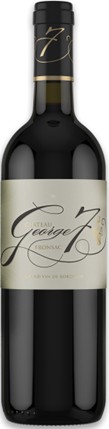
Chateau George 7, Fronsac 2025
£95.006x75cl
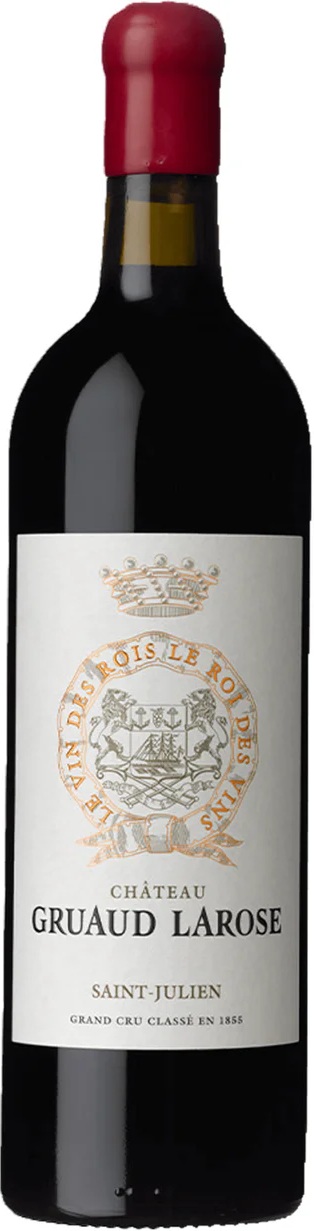
Chateau Gruaud Larose 2eme Cru Classe, Saint-Julien 2025
£258.006x75cl
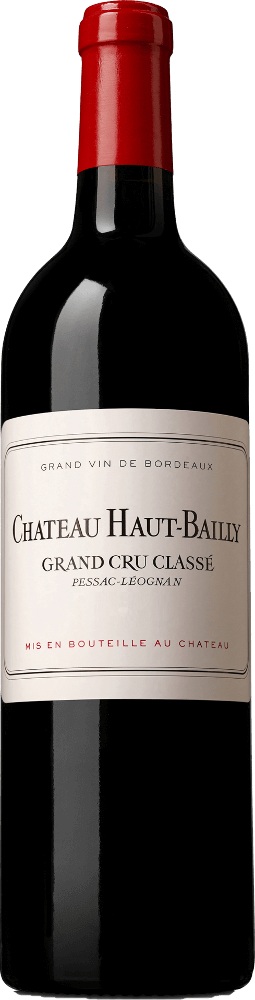
Chateau Haut-Bailly Cru Classe, Pessac-Leognan 2025
£384.006x75cl
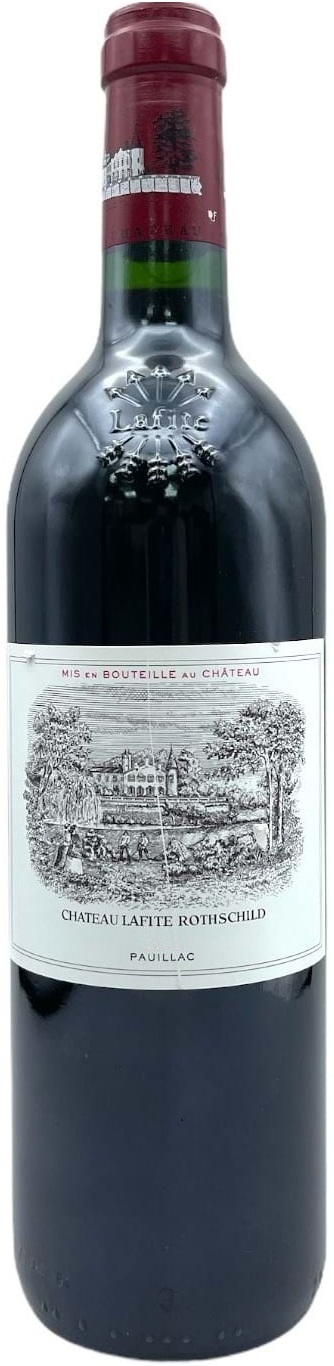
Chateau Lafite Rothschild Premier Cru Classe, Pauillac 2025
£1,041.003x75cl
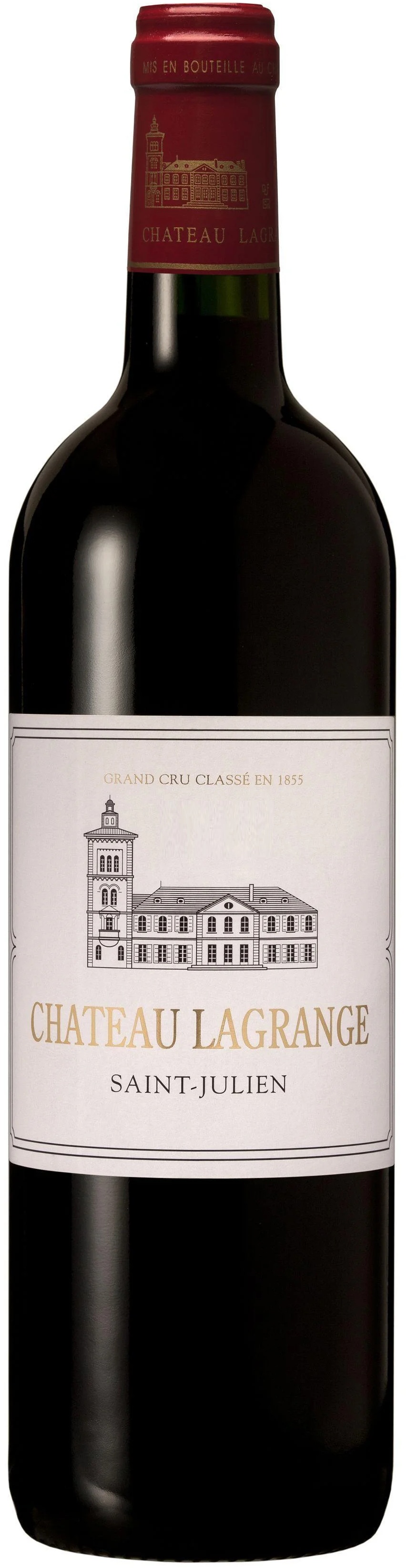
Chateau Lagrange 3eme Cru Classe, Saint-Julien 2025
£182.006x75cl
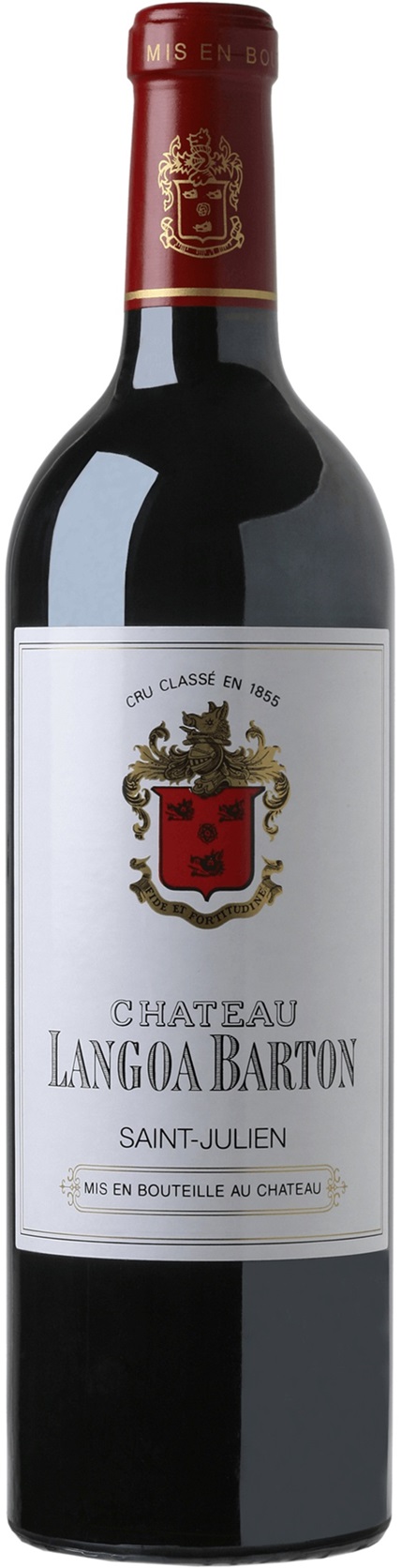
Chateau Langoa Barton 3eme Cru Classe, Saint-Julien 2025
£174.006x75cl
Chateau Lynch-Moussas 5eme Cru Classe, Pauillac 2025
£118.006x75cl
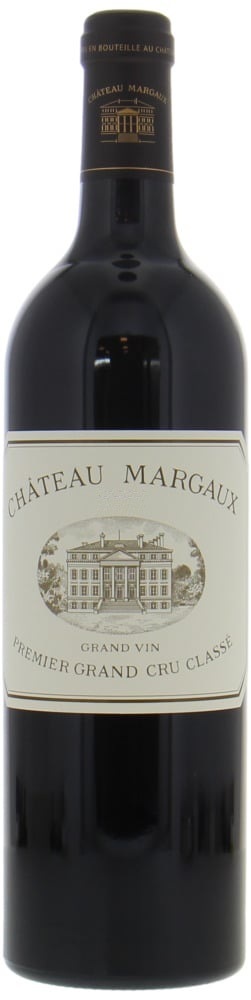
Chateau Margaux Premier Cru Classe, Margaux 2025
£2,034.006x75cl
Chateau Montlandrie, Castillon-Cotes de Bordeaux 2025
£84.006x75cl

Chateau Montrose 2eme Cru Classe, Saint-Estephe 2025
£618.006x75cl
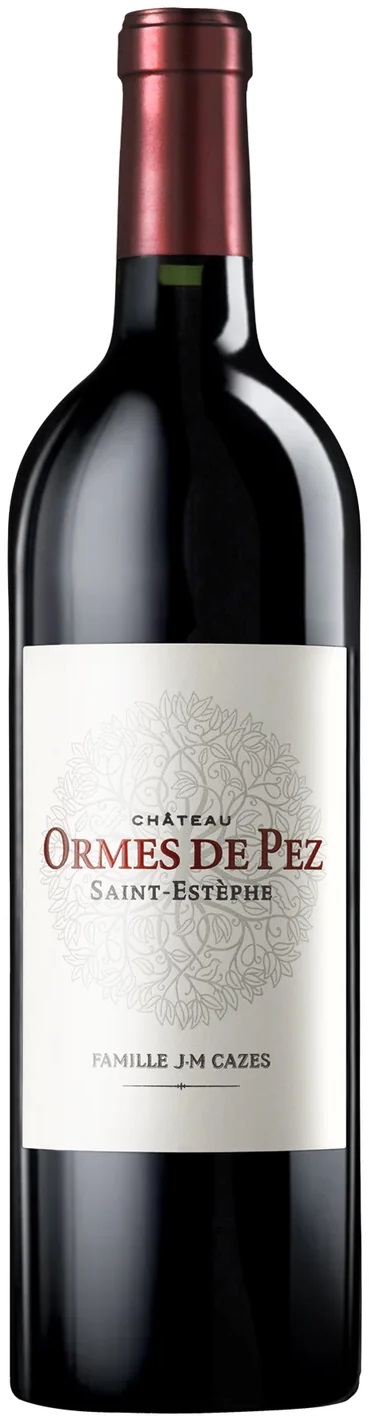
Chateau Ormes de Pez, Saint-Estephe 2025
£102.006x75cl
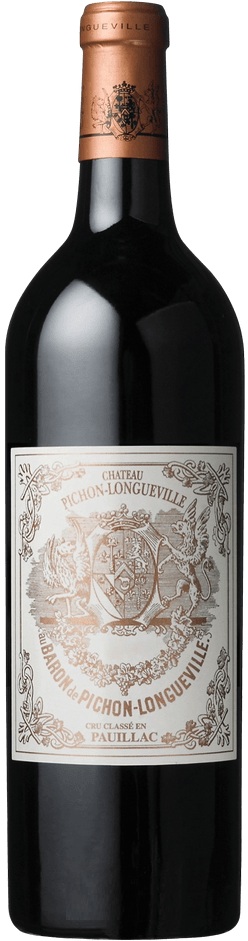
Chateau Pichon Baron 2eme Cru Classe, Pauillac 2025 (Magnum)
£544.003x150cl
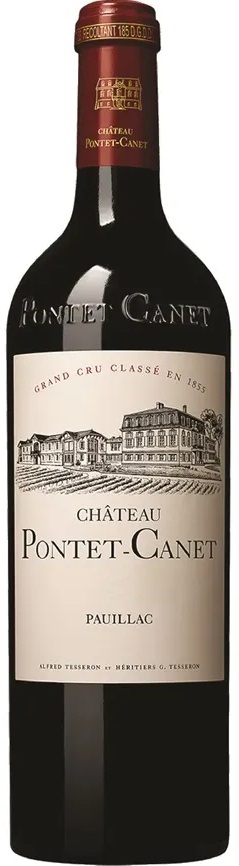
Chateau Pontet-Canet 5eme Cru Classe, Pauillac 2025
£378.006x75cl
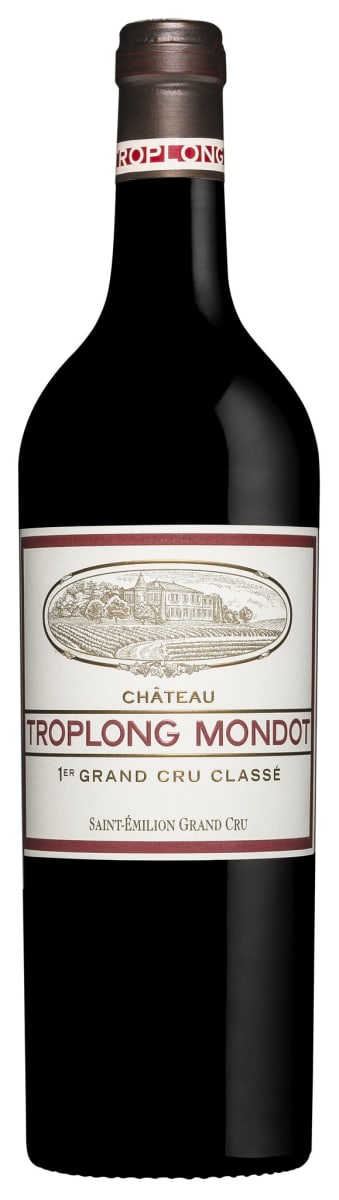
Chateau Troplong Mondot Premier Grand Cru Classe B, Saint-Emilion Grand Cru 2025
£431.006x75cl
Chateau Troplong Mondot Premier Grand Cru Classe B, Saint-Emilion Grand Cru 2025 (Demi)
£441.0012x37.5cl
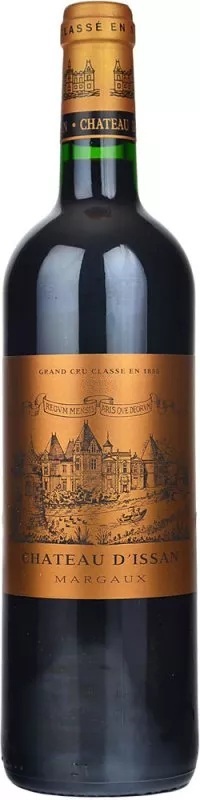
Chateau d'Issan 3eme Cru Classe, Margaux 2025
£210.006x75cl
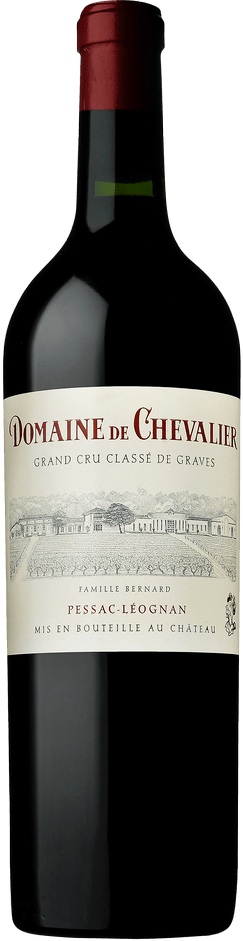
Domaine de Chevalier, Rouge Cru Classe, Pessac-Leognan 2025
£216.006x75cl
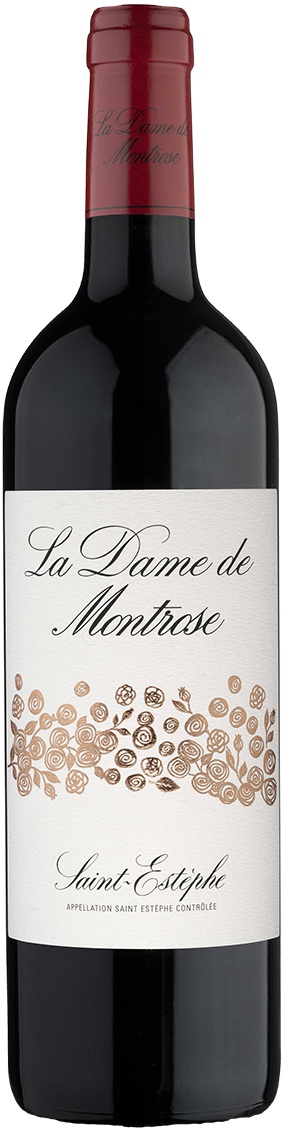
La Dame de Montrose, Saint-Estephe 2025
£162.006x75cl