Key decisions
Vineyard Decisions & Harvest Timing
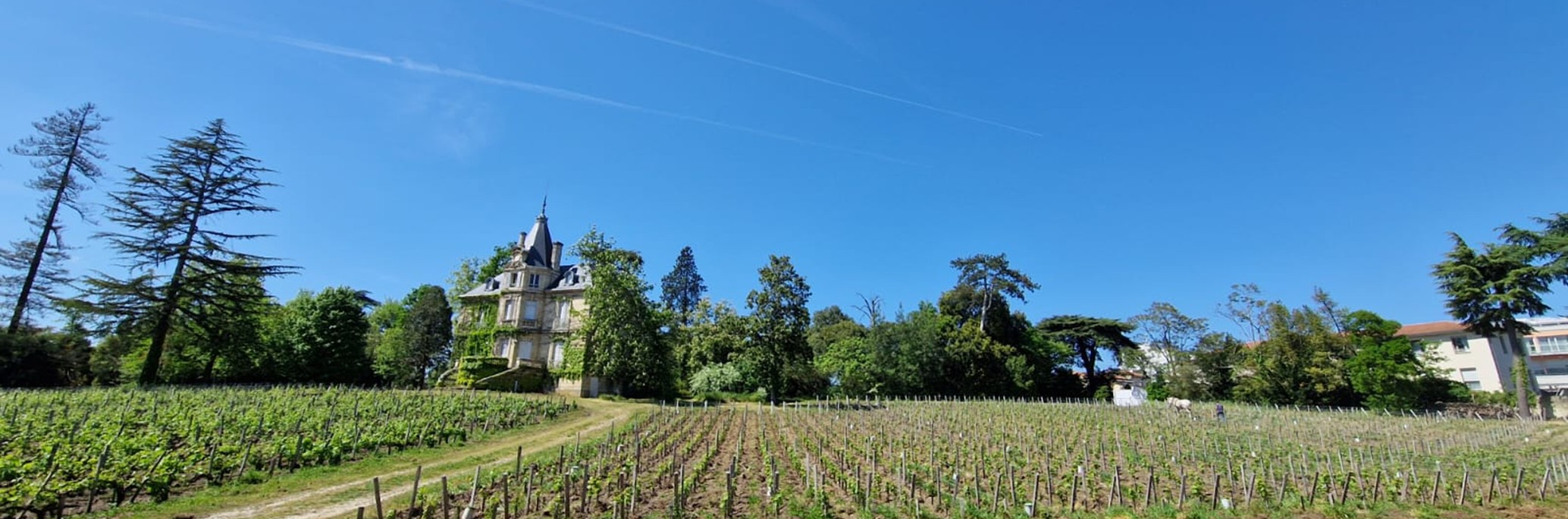
If the weather set the stage, the choices made in vineyard and cellar determined the final act. The guiding principle throughout was clear: preserve freshness and avoid excess.
De-leafing and green harvesting were largely avoided, with leaf canopies managed and in many cases trussed. This shields grapes from the sun, while the leaves also have reduced sun exposure for photosynthesis and lower transpiration rates which reduces water evaporation. All of these factors slow ripening. At Château La Conseillante, Nelly Richards described the use of clay and zinc to protect against UV – Australian sunscreen as she put it!
Harvest timing became critical. Pick too late and tannins risk becoming overly assertive; too early and ripeness may fall short. On the Right Bank, Merlot was picked unusually early, with Château La Conseillante beginning on 28 August, the earliest on record, and estates such as Canon following similar timelines.
On the Left Bank, harvests followed shortly after and were also exceptionally early. Château Montrose began on 29 August, a new record, Lafite Rothschild on 2 September, Cos d’Estournel on 3 September, and Mouton Rothschild from 5 September. Château Margaux took a different approach, waiting through the rain for full maturity and not beginning until 8 September, by which time many neighbours had nearly finished. Most picking was completed by 20 September.

Concentration & Gentle Extraction
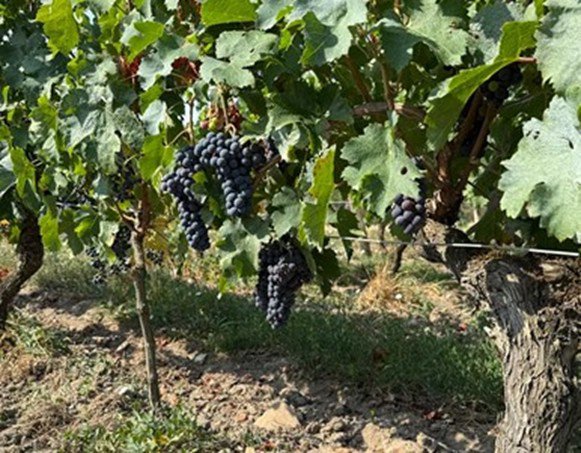
The berries themselves were notably small. At Cheval Blanc, Cabernet Franc berries that typically weigh around 1.3g came in at just 0.7g. Similar patterns were seen across both banks. Smaller berries with less water and thicker skins, meant greater concentration, and sorting posed few difficulties. Tannin levels were high across the region, so extraction in the cellar was handled with restraint, much as we see in Burgundy. At Château Rouget, Edouard Labruyère favoured gentle infusion over pump-overs to limit extraction and preserve finesse. Fermentations were slow and cool, often at reduced temperatures, to maintain aromatic complexity and avoid over-concentration. A lovely Fronsac estate called George 7, showed us a barrel fermenting stand that rotates slowly on operation which gently re-submerges any floating skins inside, avoiding any harsh extraction or handling.
Discover more

Buying En Primeur
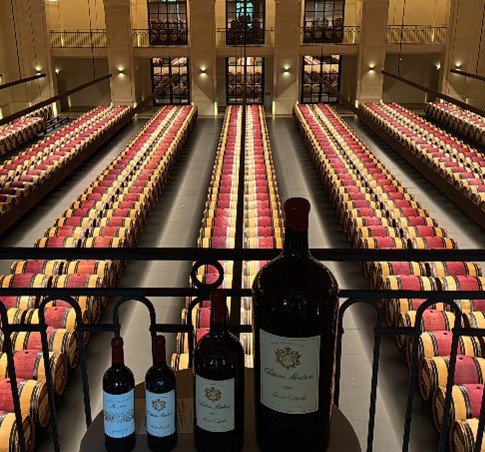
The 2025 En Primeur campaign offers collectors exceptional flexibility, from large-format bottlings to personalised barrels and bespoke gifting opportunities.
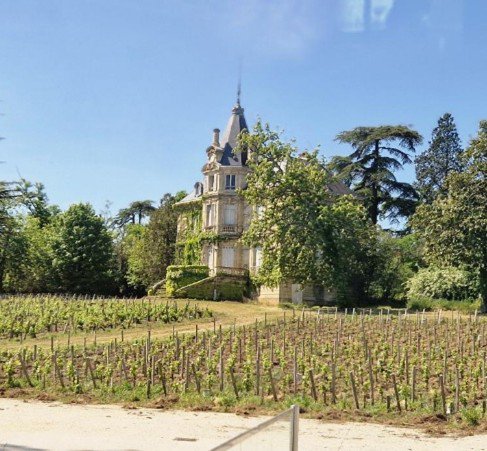
Vintage Conditions
A hot, drought-driven growing season was ultimately balanced by late August rain and cool nights, producing wines of concentration, freshness and remarkable poise.
Wines released to date
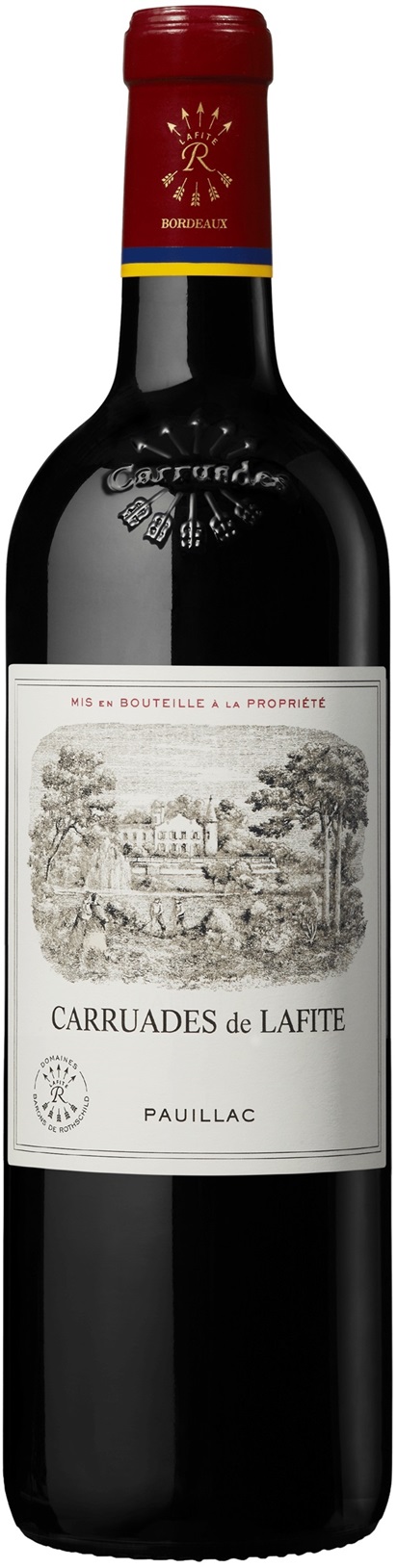
Carruades de Lafite, Pauillac 2025
£852.006x75cl
Chateau Batailley 5eme Cru Classe, Pauillac 2025
£145.006x75cl
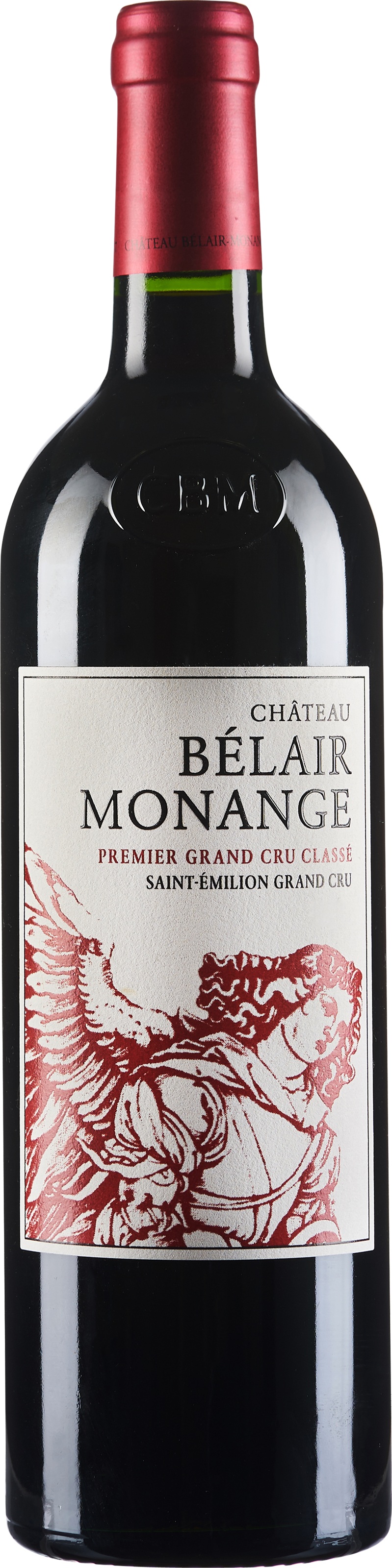
Chateau Belair-Monange Premier Grand Cru Classe B, Saint-Emilion Grand Cru 2025
£530.006x75cl
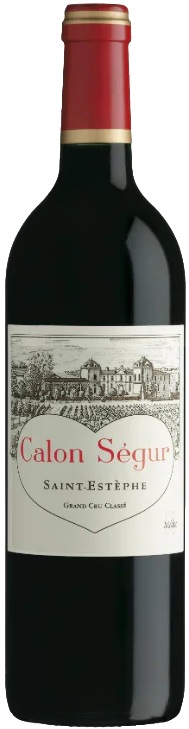
Chateau Calon Segur 3eme Cru Classe, Saint-Estephe 2025
£399.006x75cl
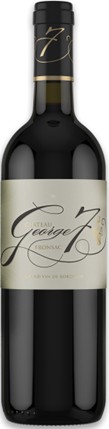
Chateau George 7, Fronsac 2025
£95.006x75cl
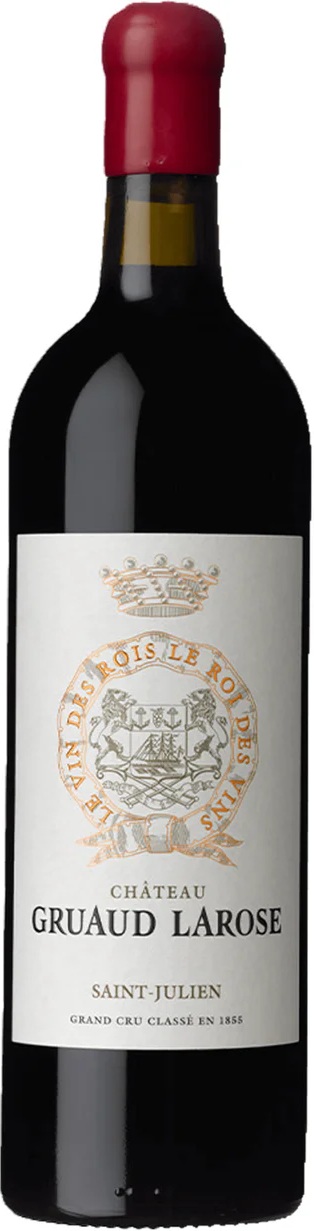
Chateau Gruaud Larose 2eme Cru Classe, Saint-Julien 2025
£258.006x75cl
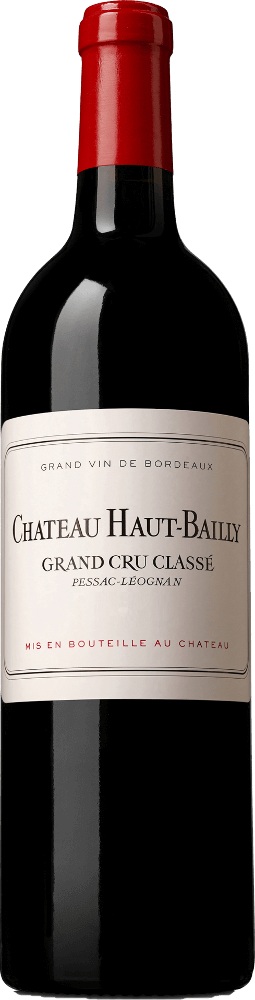
Chateau Haut-Bailly Cru Classe, Pessac-Leognan 2025
£384.006x75cl
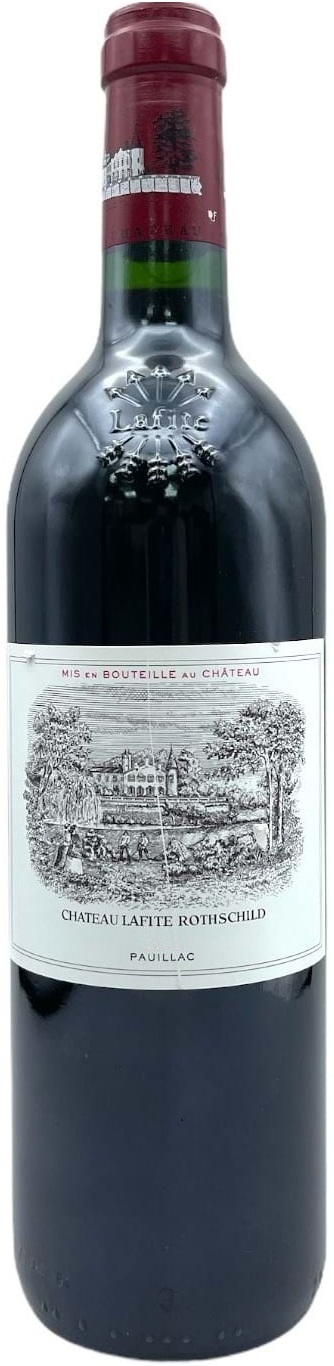
Chateau Lafite Rothschild Premier Cru Classe, Pauillac 2025
£1,041.003x75cl
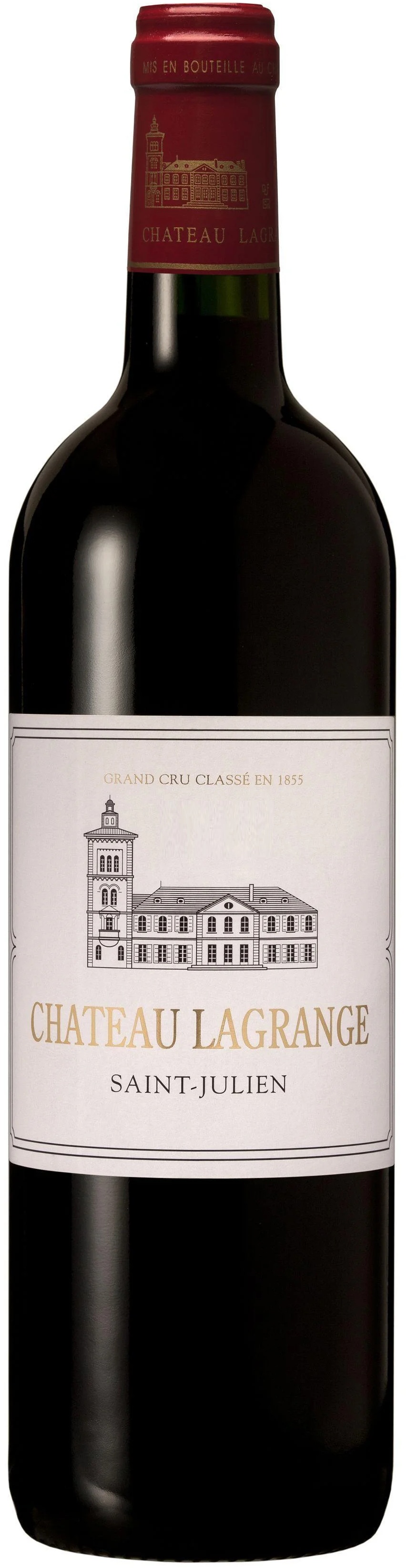
Chateau Lagrange 3eme Cru Classe, Saint-Julien 2025
£182.006x75cl
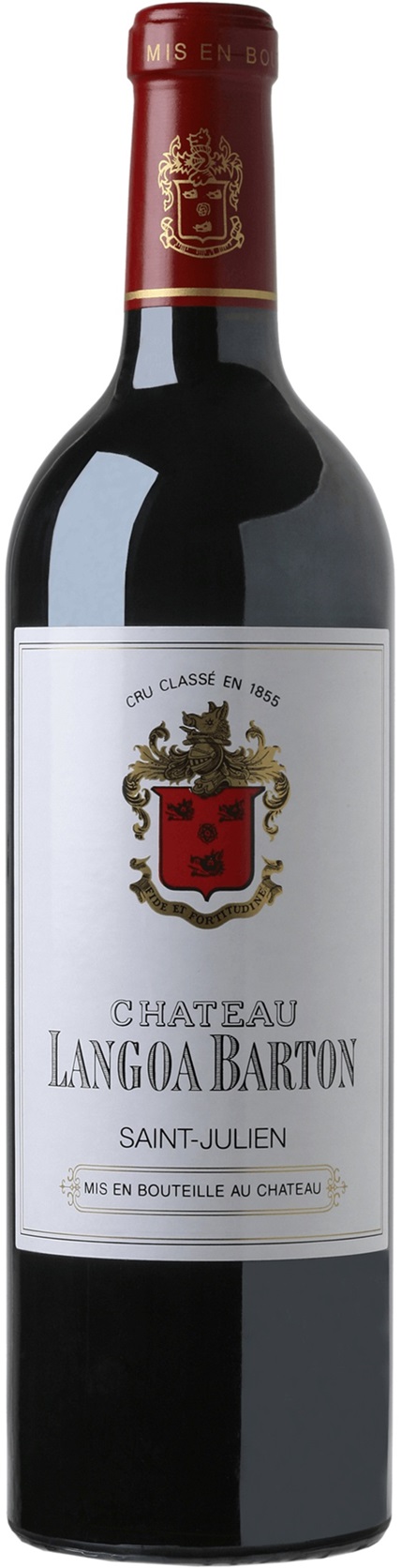
Chateau Langoa Barton 3eme Cru Classe, Saint-Julien 2025
£174.006x75cl
Chateau Lynch-Moussas 5eme Cru Classe, Pauillac 2025
£118.006x75cl
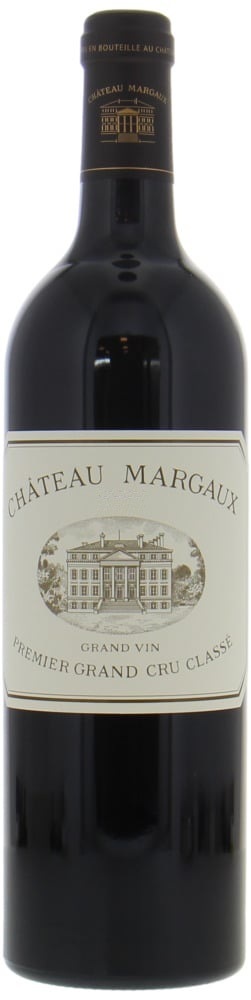
Chateau Margaux Premier Cru Classe, Margaux 2025
£2,034.006x75cl
Chateau Montlandrie, Castillon-Cotes de Bordeaux 2025
£84.006x75cl

Chateau Montrose 2eme Cru Classe, Saint-Estephe 2025
£618.006x75cl
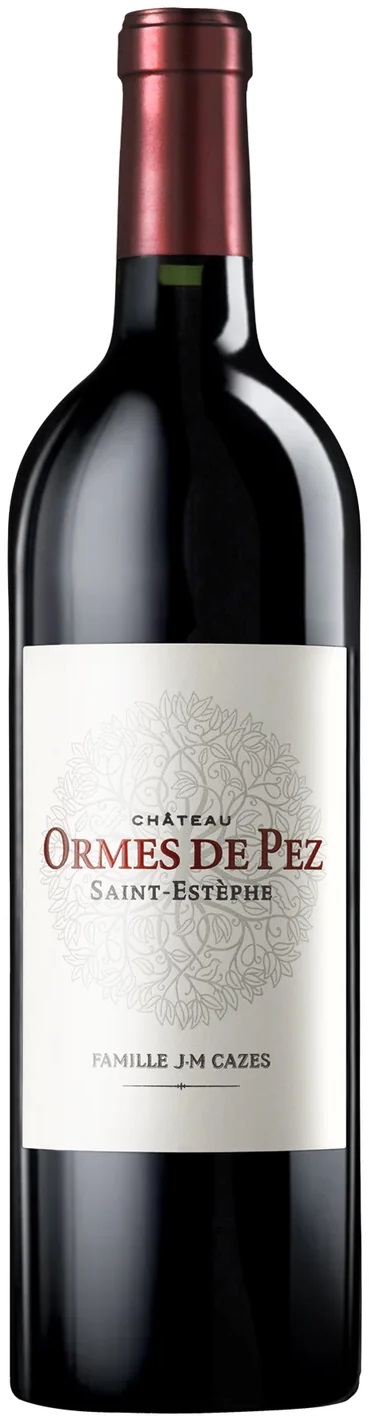
Chateau Ormes de Pez, Saint-Estephe 2025
£102.006x75cl
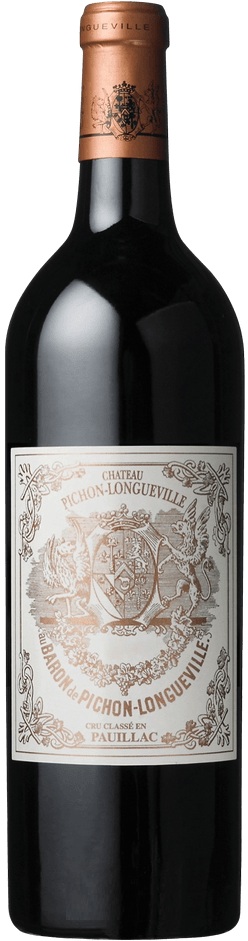
Chateau Pichon Baron 2eme Cru Classe, Pauillac 2025 (Magnum)
£544.003x150cl
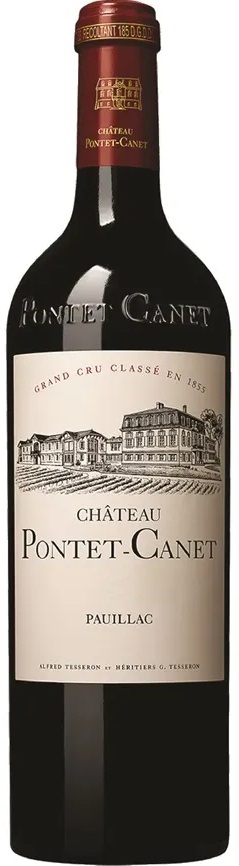
Chateau Pontet-Canet 5eme Cru Classe, Pauillac 2025
£378.006x75cl
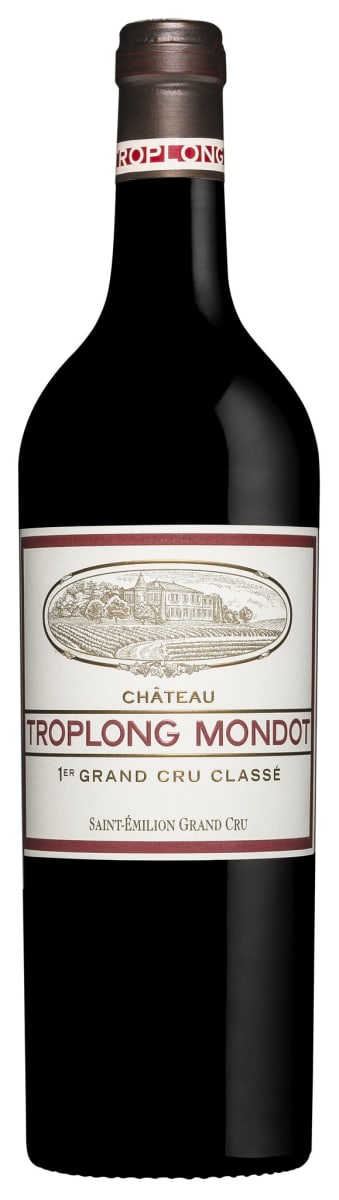
Chateau Troplong Mondot Premier Grand Cru Classe B, Saint-Emilion Grand Cru 2025
£431.006x75cl
Chateau Troplong Mondot Premier Grand Cru Classe B, Saint-Emilion Grand Cru 2025 (Demi)
£441.0012x37.5cl
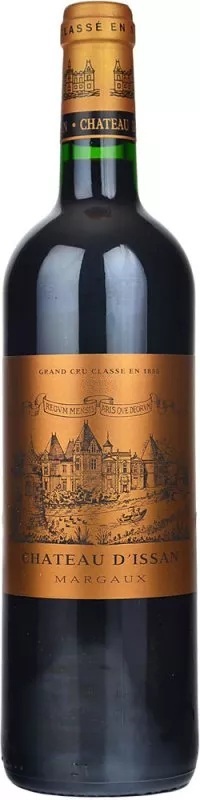
Chateau d'Issan 3eme Cru Classe, Margaux 2025
£210.006x75cl
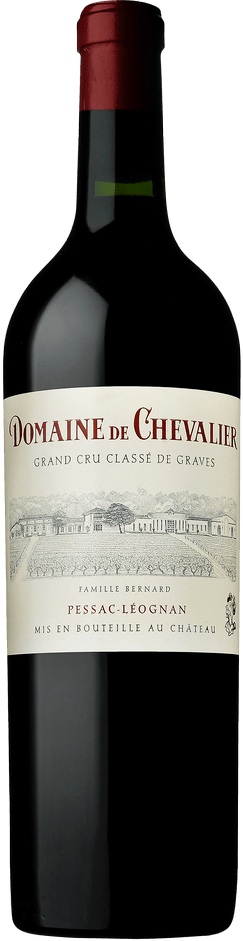
Domaine de Chevalier, Rouge Cru Classe, Pessac-Leognan 2025
£216.006x75cl
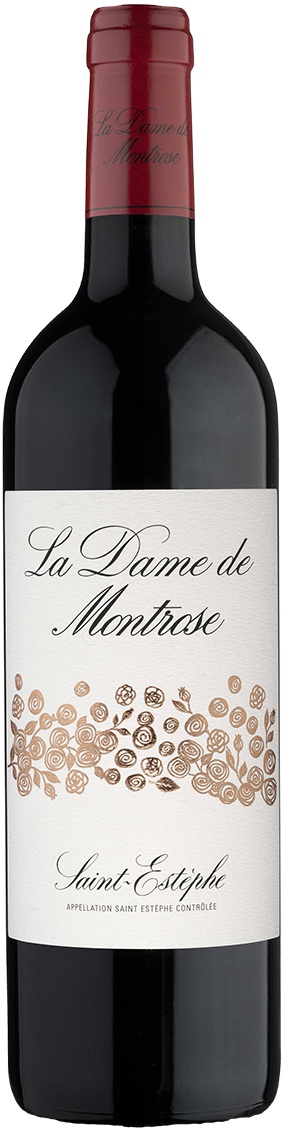
La Dame de Montrose, Saint-Estephe 2025
£162.006x75cl